
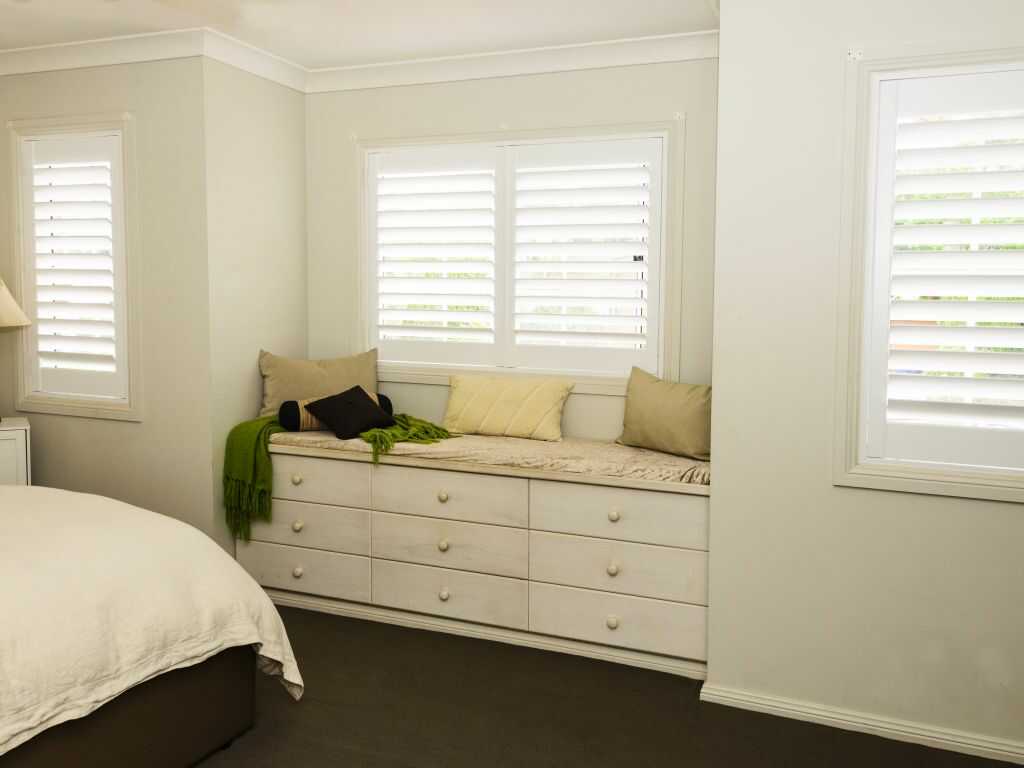
You like the light through the front window, but not the feeling that everyone walking past can see your breakfast. Closing the whole window covering solves one problem and creates another: the room suddenly feels shut away. With timber shutters, the useful question is how much of the window you need covered and how you want the rest to work.
Our Timber Shutters offer several ways to approach that decision. The range includes different blade sizes, tilt rod arrangements and panel systems. Rather than choosing a layout because it looks good on a neighbouring house, consider the view from your chair, the people outside and the space available around the window.
Sit where you normally read, eat or work. Which part of the window lets people outside see directly into the room? It may be the lower section beside the pavement, rather than the whole opening. Explain that to the person measuring. It is more useful than asking for “maximum privacy” without describing when or where you need it.
Our timber range includes café style and tier on tier options. Café-style shutters cover the lower part of the window, leaving the upper glass exposed. Tier-on-tier shutters use separate upper and lower panels; ask how independently they can open in the proposed layout. Consider how either arrangement would affect privacy from neighbouring windows, particularly after dark.
The frame layout can be just as noticeable as the colour. Imagine the shutters closed, with the blades open, and look at where the panel edges would cross the glass. On a window with existing divisions, ask how the proposed shutter panels will relate to those lines. A simple drawing helps make the arrangement clear.
Then look at the blades. Our range includes several widths, including 63 mm and 89 mm options. Compare a display if possible and ask which sizes suit your window. You are looking at the balance between the view through the open blades and the appearance when closed, rather than assuming the largest blade will always look best.
Adjusting the blades and opening a panel are different actions. You might tilt the blades every morning but open the panels mainly to clean the glass or operate the window. During measuring, show exactly how the window opens. Handles and catches need attention before anyone settles the shutter position or panel layout.
Furniture matters here. A hinged panel needs room to move, so picture it beside your sofa, desk or bedside table. The timber range also includes sliding and bi-fold systems, although suitability depends on the opening. Ask for the proposed movement to be demonstrated or drawn, particularly where a door or frequently used walkway is involved.
White is an easy starting point, but hold the proposed finish beside the architraves and skirting boards. Different whites can become noticeable when placed together. If you prefer a timber appearance, look at a physical sample and ask which wood and finish are being quoted. Our timber options include Western Red Cedar, Premium Basswood and Paulownia.
For homeowners comparing timber plantation shutters in Melbourne, those material details belong in the quotation alongside blade size, panel arrangement and controls. Our product page is a useful reference, but it does not replace a specification for your window. Also ask for the appropriate care instructions and whether the selected timber suits the room’s conditions.
Before approving the order, return to that breakfast chair. Can you adjust the shutters without moving furniture? Does the layout cover the part of the window where people could see in? Can you still reach the window handle? Those answers will tell you more about everyday suitability than a photograph of somebody else’s front room.