
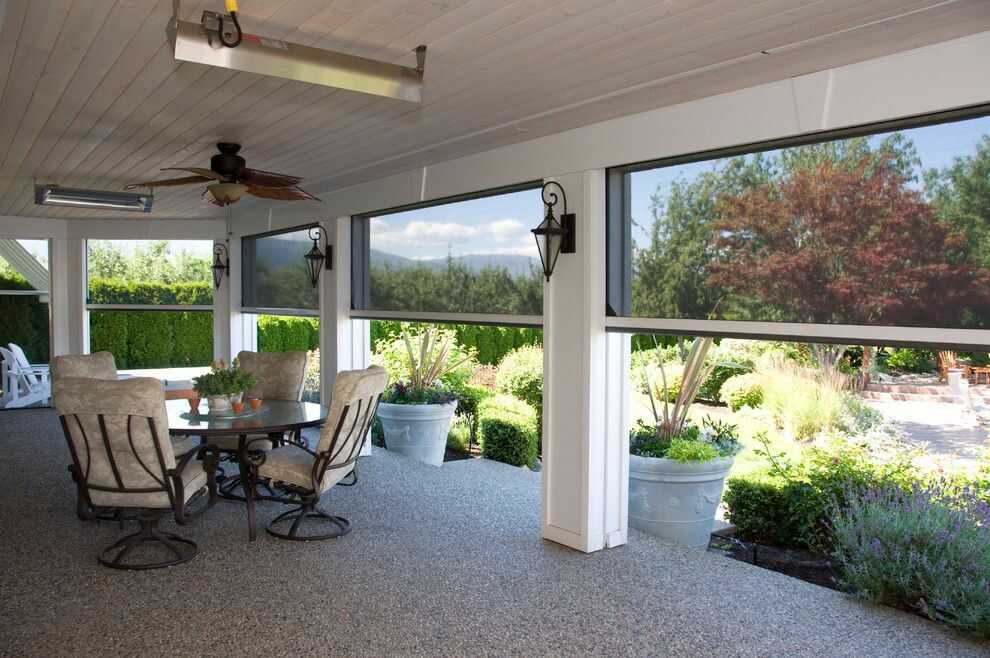
Lunch outside sounds good until the sun reaches the table. Someone moves a chair, somebody else shifts a plate into the shade, and eventually everyone heads indoors. An outdoor blind can help address the exposed side of a covered entertaining area, but the choice needs to start with where the discomfort comes from and how you use the space.
Our Clip & Zip Outdoor Blinds use an integrated zip-guided zLock system. The range offers a choice of fabrics and headbox colours. For a homeowner, the important task is connecting those options to a particular opening: the side facing the afternoon sun, the neighbouring property or the route between the kitchen and garden.
Before arranging a quote, notice when you abandon the outdoor area. Is sunlight coming across the table at lunchtime, or is a low evening sun the main issue? Take a photograph from the seats people actually use. A picture taken from inside the house can hide the angle that makes sitting outside uncomfortable.
Decide which side of the covered area needs screening first. You may only need to address one exposed section, or different sides may have different requirements. Explain whether the priority is reducing glare, adding privacy or making a breezy corner more comfortable. Those goals help guide the fabric discussion without assuming every opening needs the same treatment.
A fabric that looks right against the wall may give a different result when stretched across a large opening. Ask to see samples with daylight behind them and look through them from your normal seating distance. Consider what you want to see outside as well as what you want screened. A garden view may be part of the reason you enjoy the area.
Evening use deserves attention, too. If the space faces neighbours, ask how the proposed fabric behaves with lights on under the roof. Do not assume a daytime privacy effect will look identical after dark. Describe where those lights are and where people might look towards the opening, so the advice relates to your layout.
The zip-guided system is a defining feature of our Clip & Zip range. Before ordering, ask the installer to show how the proposed blind is guided, where its components will sit and how the opening is measured. Posts, changes in level and existing finishes should be considered together. A neat photograph does not reveal the fixing conditions at your home.
Look at the headbox colour beside the posts, gutters and roof structure rather than choosing it in isolation. Also establish where the blind finishes when lowered. Furniture, planters and other objects near its travel path need to be considered. Keep the discussion specific to the system being quoted instead of relying on assumptions from a different outdoor blind.
A screen across an opening also changes how people move through it. Picture carrying a tray from the kitchen, letting a pet into the garden or collecting something from the barbecue. Which route stays available when the blind is down? Work that out before placing a dining table or large lounge directly beside the opening.
When comparing zip screen blinds in Melbourne, ask for operating instructions that cover the exact product and installation. Our Clip & Zip range is wind resistant, but that is not a reason to leave any blind in any position during severe weather. Request the relevant operating limits and weather guidance rather than guessing.
The quotation should name the fabric, colour, dimensions, operating arrangement and installation work. Ask how to clean the material and keep the guides clear, using instructions for the selected system. Then judge the proposal against your original outdoor routine: where you sit, when the sun arrives and how everyone gets around the table.